Source UV Resistant Mooring Buoy for Ocean, Boat, and Warning Use
Compare 23 listings for uv resistant mooring buoy options including steel cylindrical designs and custom sizes. Evaluate specifications like 5-ton buoyancy, BV/CCS certifications, and 12-24 month warranties to find suitable marine solutions; compare the available evidence and request quotations based on your requirements.
Key considerations
Products List





Comprehensive Sourcing Guide
UV Resistant Mooring Buoy Sourcing Guide
Procuring UV-resistant mooring buoys requires careful selection of materials that withstand prolonged solar exposure without degrading structural integrity. The observed product listings indicate that manufacturers in Taizhou and Qingdao offer steel-based buoys available in yellow, orange, grey, and black finishes, which are critical for visibility and UV reflection. Buyers must verify that the specific coating or material composition, such as stainless steel or treated carbon steel, is explicitly designed to resist ultraviolet degradation, as standard marine paints may fade or crack under intense sunlight.
Commercial listings reveal a wide price range from $10 to over $3,000, reflecting differences in buoyancy capacity, size customization, and packing methods. While some suppliers offer standard cylindrical steel buoys with 5-ton buoyancy, others provide fully customized dimensions and weights ranging from 1 to 5 tons. Procurement teams should prioritize suppliers who explicitly state UV resistance in their material specifications rather than relying solely on color, ensuring the product maintains its mechanical properties and colorfastness throughout its intended service life in open ocean environments.
Product Scope and Observed Listing Signals
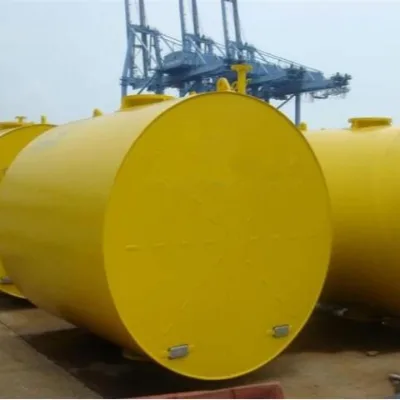
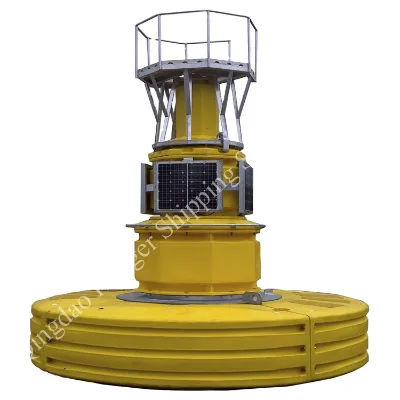
The market for mooring buoys presents a diverse range of models, including cylindrical steel buoys and specialized 5-ton buoyance units, often identified by specific model codes like JRB2024062003 or 2024091212. These products are primarily designed for boat marine applications, serving dual purposes as warning markers and secure mooring points. The observed data confirms that customization is a standard feature, allowing buyers to request specific sizes, shapes, and structural configurations to match unique vessel requirements or environmental conditions.
Packaging and delivery terms vary significantly across suppliers, with options ranging from thin film protection and container shipping to nude packing or wooden pallets. Lead times are generally flexible, with many suppliers offering delivery windows between 7 to 30 days, though some negotiate specific timelines based on order volume. Buyers should note that minimum order quantities can be as low as a single piece or set, facilitating small-scale procurement, while larger industrial orders may require different logistical arrangements and potentially longer production schedules.
Technical Specifications to Verify
When evaluating technical specifications, the buoyancy rating is a primary consideration, with observed listings offering capacities from 1 ton up to 5 tons and beyond. The structural design is predominantly solid, utilizing steel or stainless steel materials to ensure durability and long life in harsh marine conditions. Buyers must confirm that the chosen model meets the specific load requirements of their vessels, as the difference between a 1-ton and a 5-ton buoyancy unit significantly impacts the mooring system's stability and safety margin.
Dimensional customization is another critical technical factor, with suppliers offering sizes ranging from 1.01.5 meters to 1.22.0 meters or fully custom dimensions upon request. The shape is typically cylindrical, but the exact proportions and wall thickness must align with the intended usage, whether for warning signals or heavy-duty mooring. Verification of the material grade, such as the distinction between standard steel and stainless steel, is essential to ensure the product resists corrosion and UV damage, maintaining its structural integrity over the expected 12 to 24-month warranty period.
Compliance and Safety Documentation
Safety and compliance are paramount in marine procurement, with many suppliers providing certifications from recognized bodies such as BV, CCS, DNV, GL, and LR. These certifications indicate that the manufacturing processes and final products adhere to international quality and safety standards, which is crucial for insurance and regulatory compliance in various maritime jurisdictions. Buyers should request copies of these certificates to verify that the specific batch of buoys has undergone the necessary testing and inspection protocols before shipment.
In addition to third-party certifications, ISO9001 accreditation is frequently observed, signaling a commitment to consistent quality management systems. This documentation ensures that the supplier maintains rigorous control over production variables, from raw material selection to final assembly. Procurement teams must ensure that the provided certificates are current and applicable to the specific product model being ordered, as certifications can vary by product line and manufacturing facility, particularly when sourcing from different origins like Taizhou or Qingdao.
Cost Drivers and Commercial Terms
The cost of UV-resistant mooring buoys is driven by several factors, including the complexity of customization, the grade of steel used, and the specific buoyancy rating required. While the observed price range spans from $10 to over $3,000, the final cost is heavily influenced by whether the buyer opts for standard sizes or requests custom dimensions and specialized UV-resistant coatings. Understanding these cost drivers helps buyers budget accurately and avoid unexpected expenses related to expedited production or specialized material upgrades.
Commercial terms also play a significant role in the total cost of ownership, with minimum order quantities ranging from one piece to 500 units. Lead times are generally negotiable, with standard delivery windows of 7 to 30 days, but complex custom orders may require extended production schedules. Buyers should clarify payment terms, shipping methods, and warranty conditions, which typically range from 12 to 24 months, to ensure that the financial and logistical aspects of the procurement align with their operational timelines and budget constraints.
Supplier Qualification and Quality Control
Supplier qualification involves assessing the company's history and production capabilities, with some manufacturers boasting over 16 years of industry experience. This tenure often correlates with a deeper understanding of marine environmental challenges and the ability to produce reliable, long-lasting products. Buyers should verify the supplier's track record in delivering UV-resistant buoys and their capacity to handle both small and large orders without compromising on quality or delivery schedules.
Quality control measures are evident in the diverse packaging options and the availability of OEM services, indicating a flexible and customer-focused approach. The presence of multiple certifications and a clear warranty policy suggests that suppliers are confident in their product durability. However, buyers must actively engage in quality assurance by requesting pre-shipment inspections and verifying that the specific UV-resistant properties of the buoys meet their operational requirements, ensuring that the final product performs as expected in real-world marine conditions.
Long-Term Procurement Checks
Long-term procurement success depends on establishing a reliable supply chain that can consistently deliver high-quality, UV-resistant mooring buoys. Buyers should prioritize suppliers who offer comprehensive after-sales support, including warranty coverage of 12 to 24 months and responsive customer service for any issues that arise during the product's lifecycle. Building a relationship with a qualified supplier ensures access to consistent quality and the ability to scale orders as operational needs grow or change over time.
Regular performance reviews and feedback loops are essential to maintain high standards and address any emerging issues promptly. Procurement teams should monitor the durability and appearance of the buoys in service, checking for signs of UV degradation or structural wear that might indicate a need for specification adjustments. By maintaining open communication with suppliers and staying informed about industry advancements, buyers can ensure their mooring systems remain safe, effective, and compliant with evolving maritime standards for years to come.
FAQs
What certifications are available for mooring buoys?
Certifications such as BV, CCS, GL, DNV, LR, and ISO9001 are available for these marine buoys. These credentials ensure compliance with international maritime standards. Buyers can verify specific documentation directly with the manufacturer to confirm that the product meets the required regulatory frameworks for ocean buoy applications and safety.
Can I customize the size of the steel buoy?
Yes, customization is available for the cylindrical steel buoys. The standard sizes include 1T through 5T buoyancy, but dimensions can be adjusted on request. Manufacturers offer custom sizes to fit specific mooring requirements, ensuring the buoy provides the exact buoyancy and structural integrity needed for your marine project.
What is the typical lead time for delivery?
The typical delivery time ranges from 7 to 30 days. This timeframe allows for production and quality checks before shipment. Some suppliers may offer negotiable lead times depending on order volume and customization needs. Buyers should confirm the exact schedule with the vendor to align with their project deployment deadlines.
How is the mooring buoy packed for shipping?
Packing methods vary by supplier and order type. Options include thin film protection inside containers, nude packing, wooden pallets, or standard packaging. The choice depends on the specific product model and shipping requirements. Proper packaging ensures the steel buoy remains protected from corrosion and damage during transit to the destination port.
What warranty periods are offered for marine buoys?
Warranty periods typically range from 12 to 24 months. This coverage protects against manufacturing defects and ensures product durability. Buyers should verify the specific warranty terms with the supplier before purchase. A longer warranty period often indicates higher confidence in the material quality and structural integrity of the steel buoy.
Which colors are available for the ocean buoy?
Available colors include yellow, orange, grey, and black. These high-visibility colors enhance safety and identification in marine environments. The color choice can be customized based on specific operational needs or regulatory requirements. Selecting the appropriate color ensures the buoy remains easily visible for warning and mooring purposes.